Taking card payments without a card machine
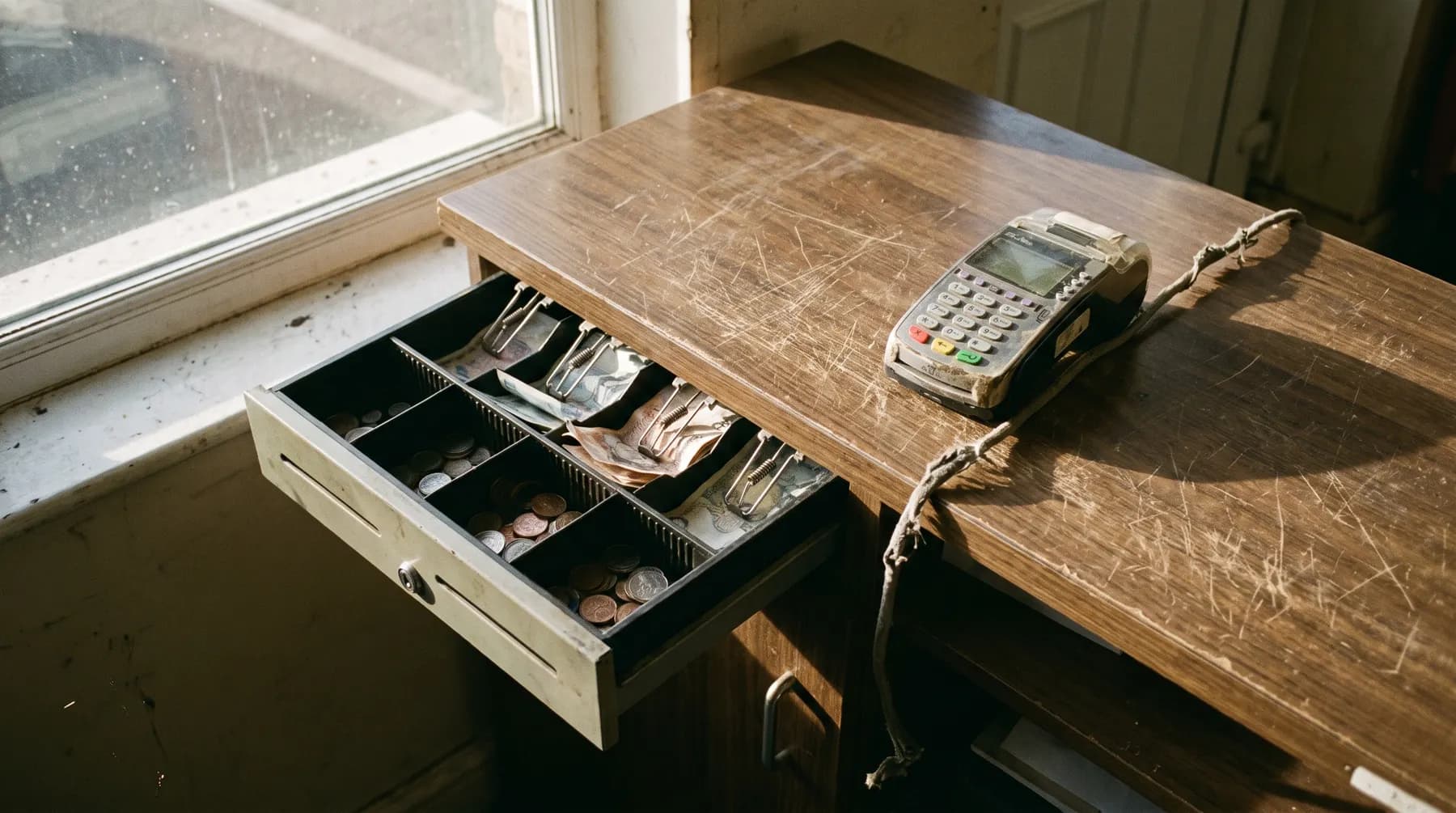
The card machine is not the only way to take a card, and for a good number of small businesses it is the most expensive way by the time you have counted the monthly rental, the minimum term and the terminal you are still paying for two years after it stopped working properly.
There are four routes. They suit different businesses, and the wrong one is usually chosen because a salesperson was in the shop that week.
The four routes
- A terminal. The traditional machine. Right when most of your trade is face to face and the queue has to move. The cost is in the contract rather than the hardware: ask the term length, the rental, and what happens at renewal.
- Tap to pay on a phone. A contactless card or phone held against your own phone, no extra hardware. Genuinely useful for a market stall, a delivery driver taking payment at the door, or a second till on a Saturday.
- A payment link or a QR code. You send a link, they pay on their own phone. This is the one most small businesses underuse. No hardware at all, and it takes a deposit over the phone without anybody reading a card number aloud.
- Your own checkout. Payment taken inside your own site or ordering system, so the order and the money arrive together and nothing has to be reconciled by hand afterwards.
What to compare, and what not to
Do not compare the headline percentage on its own. Compare the whole cost of a year: the percentage, the pence per transaction, the monthly fee, the terminal rental, the cost of a refund, and what a chargeback costs you. Two offers with the same headline rate can be hundreds apart once the fixed fees are counted, and the gap grows as your average order falls.
Also ask when the money lands. Next working day, two days and weekly are all common, and the difference matters more to a business paying suppliers on Friday than any fraction of a per cent does.
The question nobody asks
Who owns the customer record. If payment happens entirely inside somebody else’s app, the order, the address and the permission to contact that person again may not be yours. Taking the payment inside your own checkout keeps all three, which is the difference between taking money and building a business that can contact its own customers.
What we would do for a small shop
A terminal at the counter because the queue has to move, payment links for deposits and phone orders because they cost nothing to have, and a proper checkout on your own site so the online orders and the money arrive in one place. Three routes, one set of records.
The checkout side of that is what we build on ecommerce, and joining the payments to the till and the accounts so nothing is reconciled by hand is on integrations and data.